When Jacques Helleu, Chanel’s artistic director, conceived the J12 in 2000, his brief was uncompromising: a watch that was black, sporty, unisex and made of ceramic, inspired by the sleek lines of race cars, a design that was unconstrained by time. 26 years on, the J12 has evolved from a bold statement into a cornerstone of modern watchmaking. This year, Chanel has expanded the J12 lineup with new 28mm and, crucially for the aficionado, 42mm case sizes. At the heart of this expansion lies a name that will be familiar to Chanel connoisseurs: the J12 Superleggera.

Modern: Chanel J12 Superleggera
Text Cherie Wong
Photo Kimio Ng

The Superleggera moniker is not new to the J12. The name, Italian for “super-light”, debuted in the collection in 2005, as a 41mm chronograph. Its inspiration was deeply personal to Helleu, drawn from the supercars of his childhood, where the superleggera designation was used for lighter weight, even more sporty models. Early iterations experimented combining ceramic with aluminium to evoke the spirit of racing and the ethos of lightweight construction.
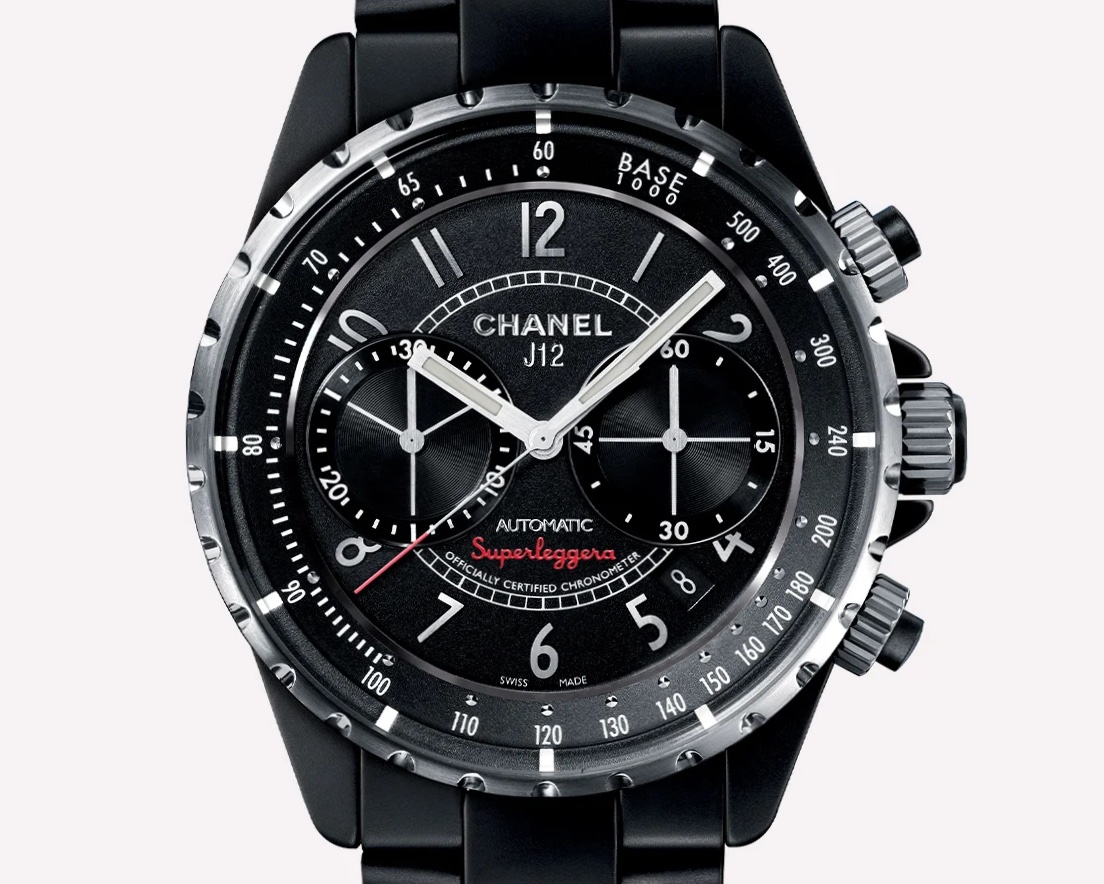
The Superleggera name was next employed in 2021, gracing the Monsieur de Chanel collection with a jumping hour and retrograde minute wristwatch. Crafted from ceramic and stainless steel, it was powered by an in-house calibre developed in partnership with Romain Gauthier. (For a deeper dive, please see our previous coverage here)
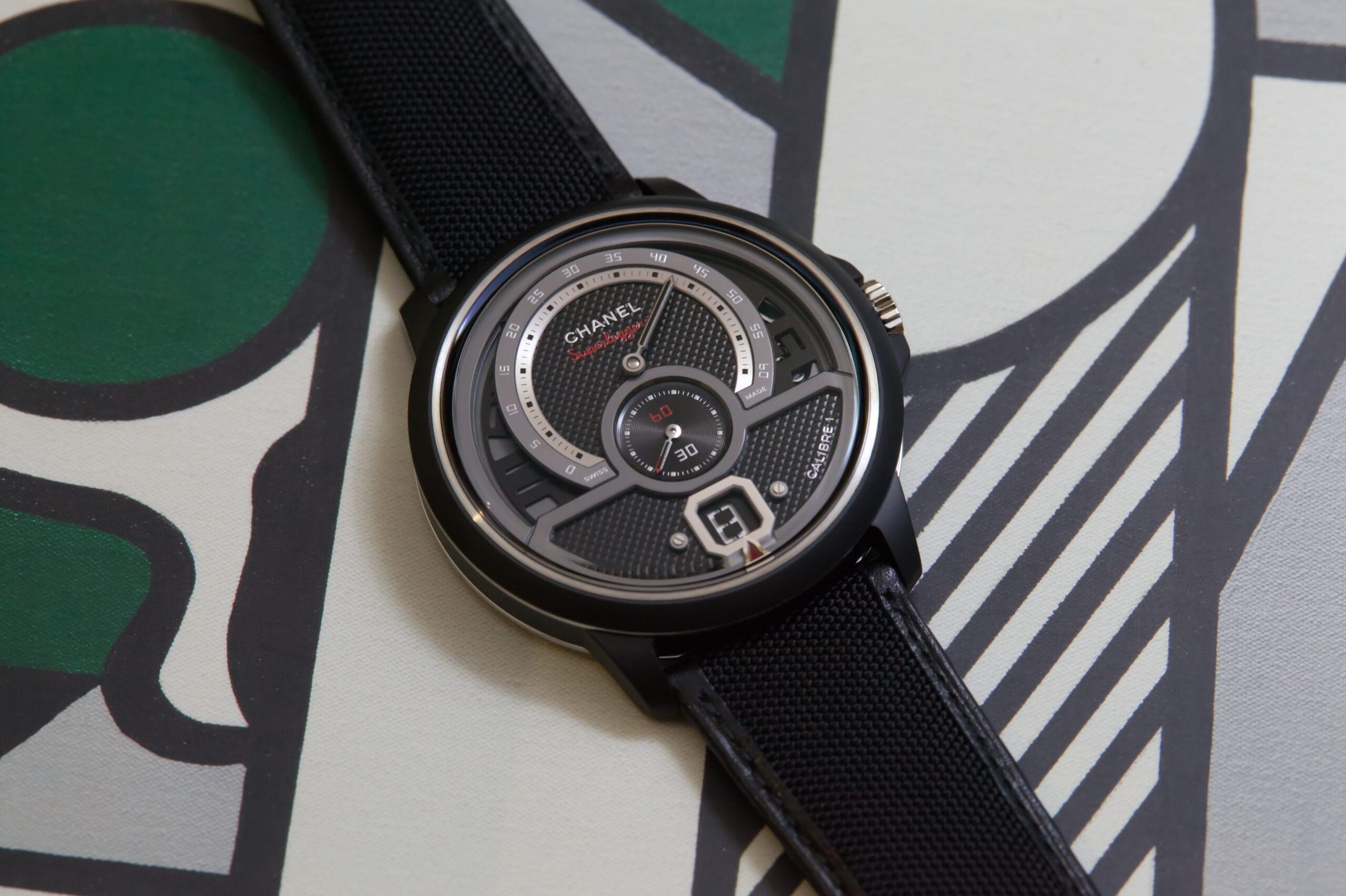
The Chanel J12 Superleggera is not a simple reissue. It is a thorough reimagining for a new era of J12 development. Where its predecessor was a chronograph built for lightness, the new model is a robust, three-hand watch with a date aperture forged for a more masculine presence.
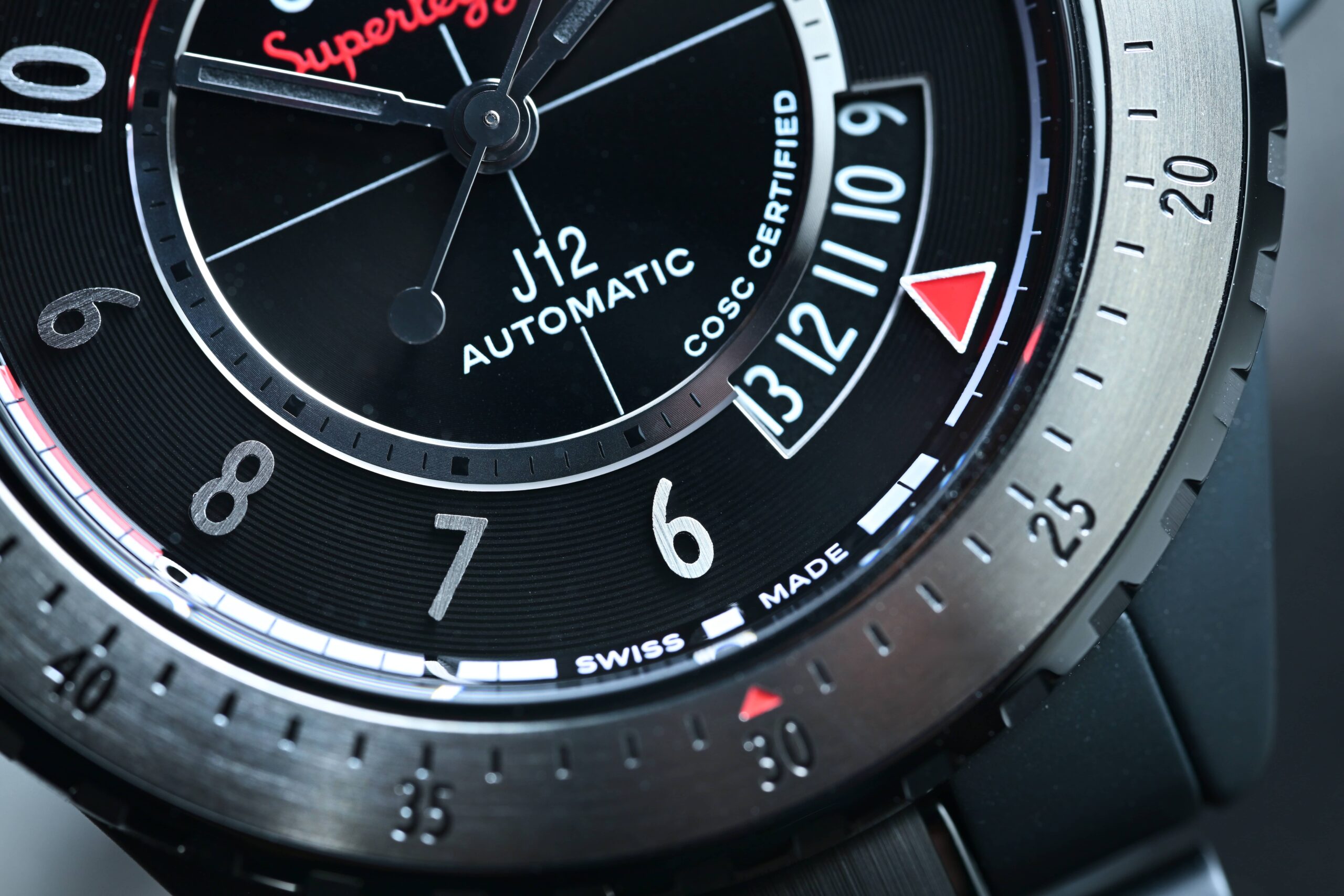
The new Superleggera is powered by the calibre 12.1, an automatic movement produced by Kenissi, the Swiss manufacturer in which Chanel holds a co-ownership stake alongside Tudor. At 42mm in diameter, the case is crafted from matte black ceramic, a material for which Chanel watches have become synonymous, but it is paired with a satin-finished steel bezel and a blackened steel base.
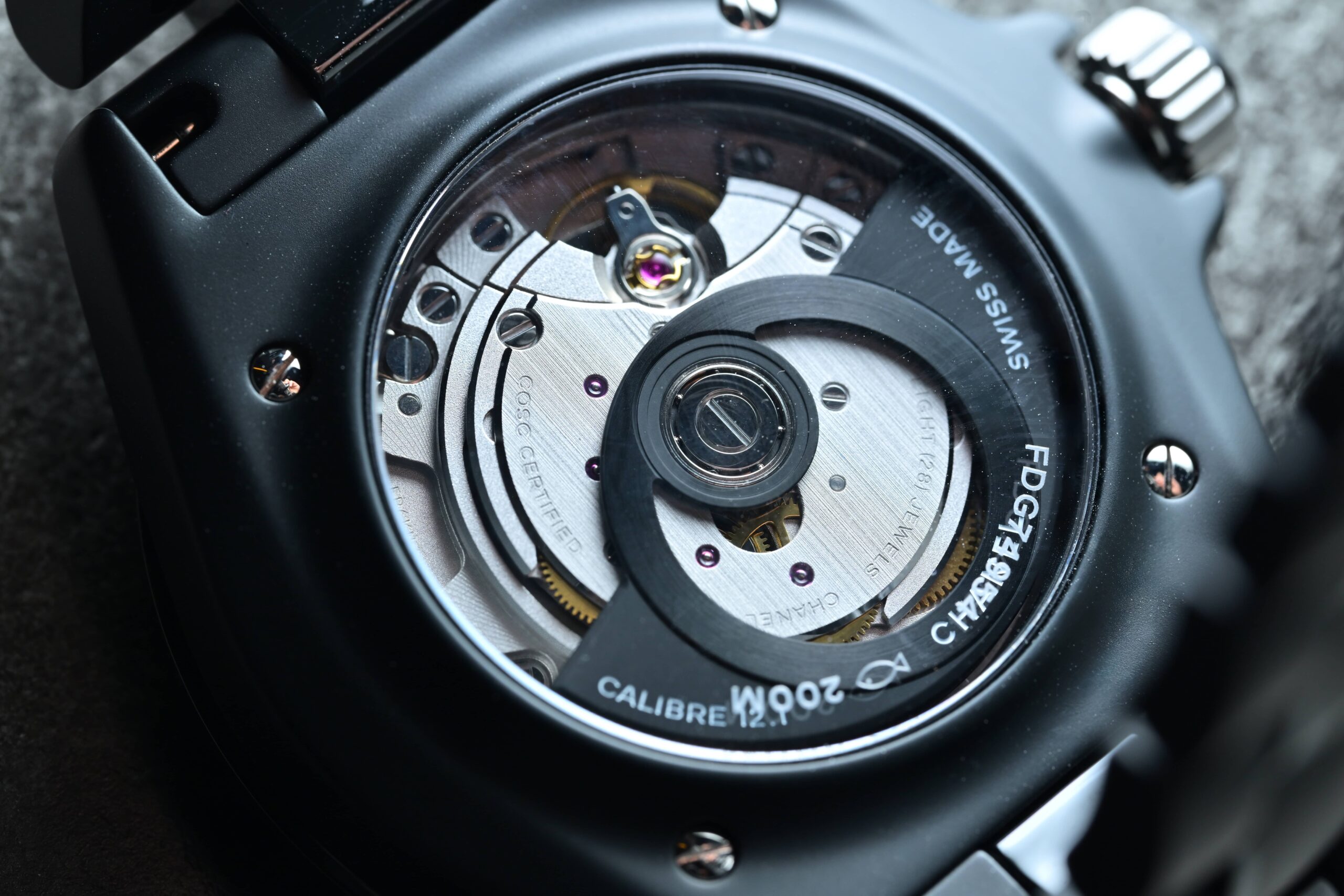
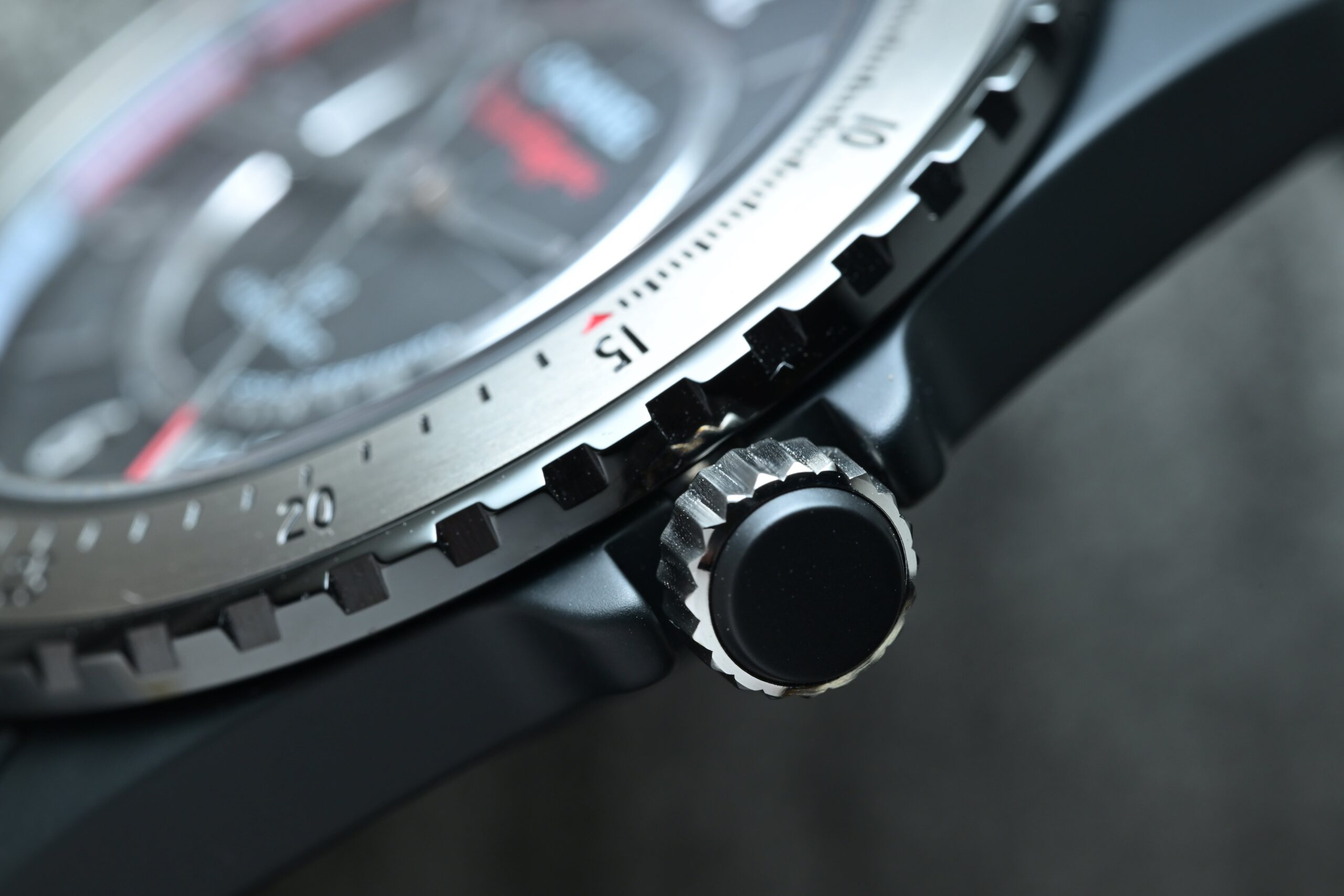
The decision to replace the fragile aluminium of the past with steel elements is a calculated one. It dispenses with the “super-light” brief of the original, but in doing so, creates a timepiece of far greater substance and durability. A discerning eye might question the move from a ceramic bezel, like other J12 models, to steel, but Chanel has employed the “kolsterising” process, a significant technical interest in treating steel in a low-temperature surface hardening treatment. By diffusing carbon into the steel without compromising its corrosion resistance, the process increases the surface hardness of the metal by up to six to eight times that of ordinary steel. Crucially, kolsterising prevents issues like galling, fretting, and delamination, ensuring the bezel retains its pristine finish and structural integrity for many years.
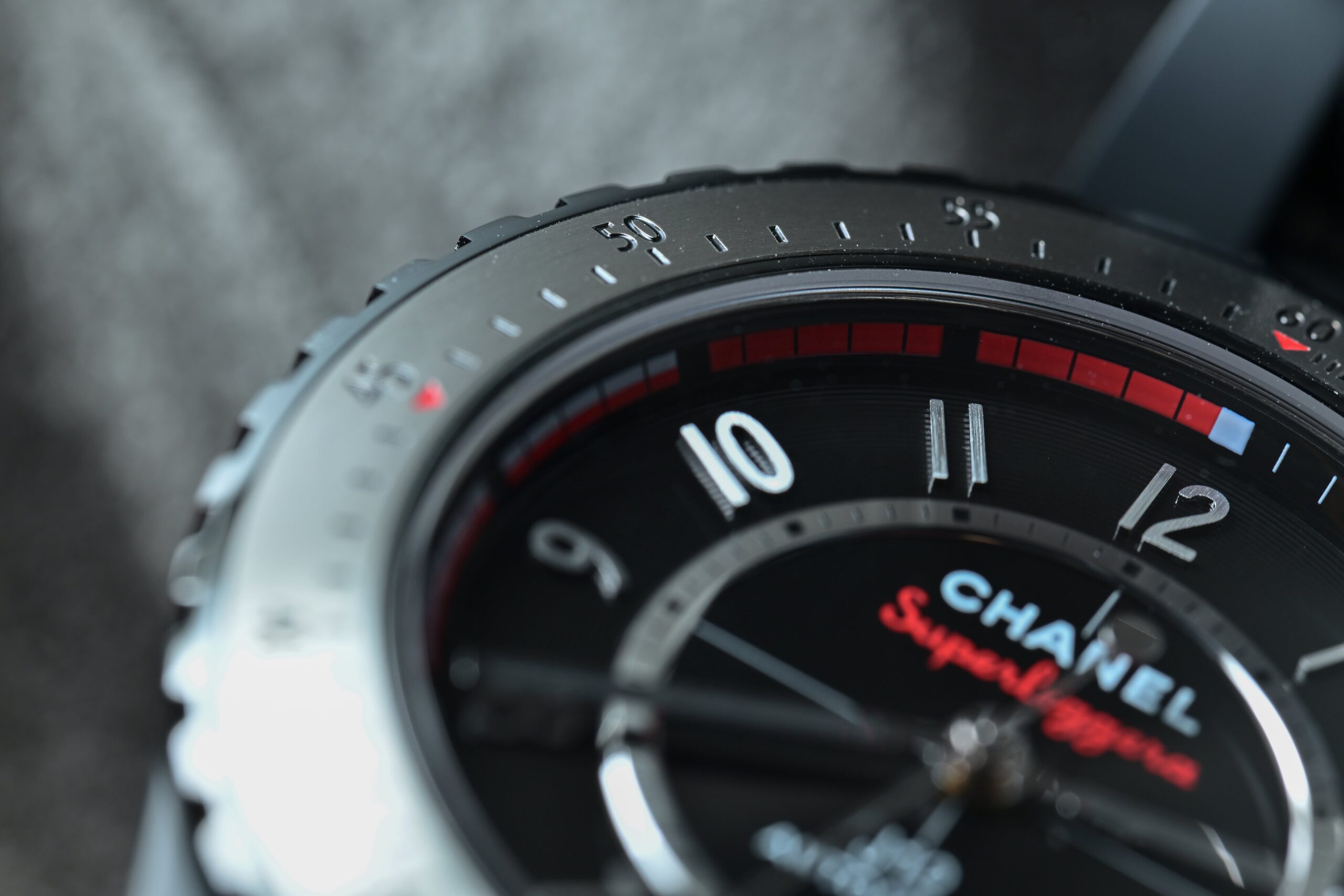
The dial design has employed layered details, featuring a circular satin finish at its heart and azurage engraving on the outer chapter ring with the rim highlighted by a red zone running from 8 to 12 o’clock, deliberately evoking the redline of a tachymeter. However, the immediate visual draw is the asymmetric wide date window, a design element that seems to leap straight from a car’s dashboard, with the current date highlighted by a red arrow.
The design is comprehensively detailed across the bracelet, which features meticulously finished ceramic links with vertical satin brushing and polished edges, achieving a level of craftsmanship that is rare, even among established sports watch brands.


The return of the 42mm J12 represents a significant strategic move by Chanel. With the 2026 Superleggera, the maison has made a powerful statement of intent in the masculine sector. The watch is defined by an obsessive care for detail, and is a tribute to the sportscars it emulates.