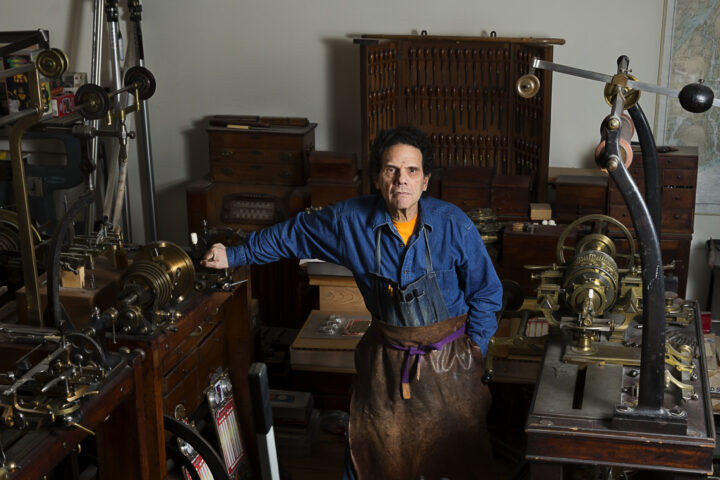
Kazumi Arikawa, born in 1952 in Kita-kyushu, Japan, is far more than a jewelry collector, dealer, or scholar. His life story has shaped his understanding of jewelry as a bridge between earthly beauty and human spirituality. Today, his name resonates across the globe for his meticulously curated collections and his reappraisal of jewelry as an art form.

Scholars: Kazumi Arikawa
Text Cherie Wong
Photo L'École Asia Pacific

Arikawa’s journey began with a restless search for meaning. At Doshisha University, a chance encounter with a monk from Kyoto’s Daitoku-ji Temple upended his life. Within a day, he abandoned his studies to embrace monastic life, which would be only the first of many turns. After two and a half years, he returned to school at Waseda University, funding his education through a tutoring business he later described as a “dead end”, driven by survival rather than passion. By the time he turned 26, he sought refuge in Buddhism again, undertaking two years of rigorous training and practice under a revered master. The experience brought him an important realisation on what’s true faith by encountering his deepest shadow. Though Arikawa ultimately left monastic life, this lesson became the bedrock of his philosophy

Brooch with cameo, portrait of Napleon I, collection of Albion Art Institute
In 1981, Arikawa joined his family’s jewelry business, following his captivating interest in gems since childhood. Inspired by his mother’s collection and a transformative visit to Germany’s Pforzheim Jewellery Museum, he began merging his spiritual insights with his own collection. By 1985, he founded Albion Art Japan, later expanding it into the Albion Art Jewellery Institute (AAJI) in 2002. His approach was unconventional: he saw jewelry not as adornment, but as a “formative design of prayer” that elevates the wearer’s essence.

Egyptian-style bracelet, collection of Albion Art Institute
For Arikawa, beauty is existential. He traces the Japanese character for “beauty” (美) to ancient rituals of sacrifice—a “big sheep” offered to the divine. In modernity, he argues, humanity’s anthropocentric excesses threaten its survival. Jewelry, he believes, is a conduit for purification, reconnecting us to celestial and earthly harmony. “Wearing jewelry is a process of respecting our souls”, he asserts, framing his mission as one of cultural stewardship.
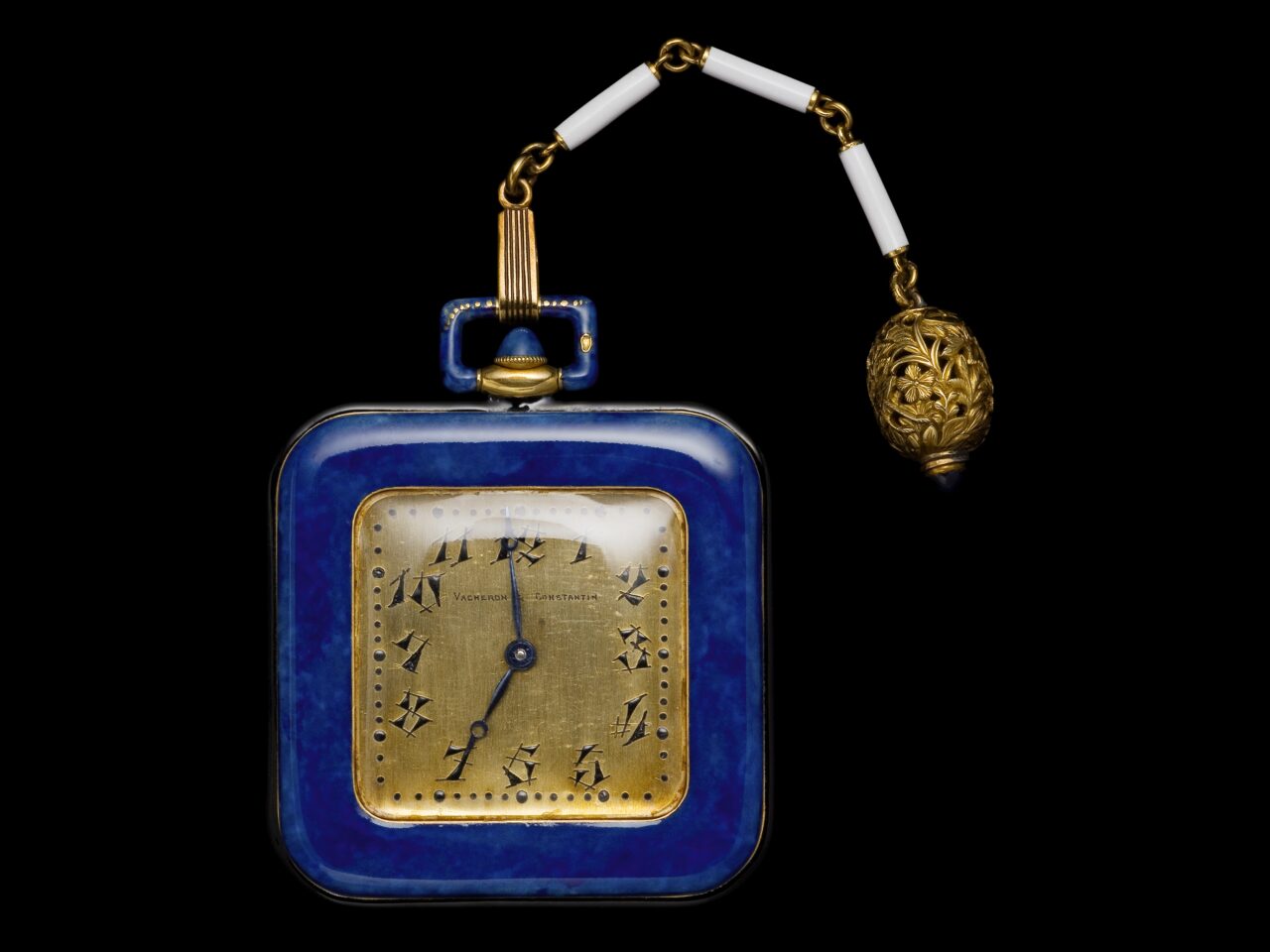

Under mentors like British historian Diana Scarisbrick and Dr. Fritz Falk, Arikawa cultivated a collection spanning centuries, blending Buddhist art, antique treasures, and contemporary masterpieces. His exhibitions shown in important art stages such as the Metropolitan Museum of Art and Paris’ Arts Décoratifs have showcased jewelry as a cultural artifact, imbued with emotional and spiritual resonance.


Arikawa’s influence extends beyond galleries. His 520-page publication, Divine Jewels: The Pursuit of Beauty, documents 250 pieces from his collection, contextualised by Scarisbrick’s expertise. It is both a historical compendium and a manifesto for jewelry as art. Awarded with the Chevalier of the Order of Arts and Letters from the French government and sought by museums worldwide, Arikawa remains driven by a singular question: Can beauty save us?